

16 Decluttering Tips to Finally Clean Out Your Closet
1. Take Everything Out First

Removing every single item from your closet before sorting anything creates a genuine blank slate for the decluttering process. This approach forces you to physically handle each piece rather than passively glancing past items still hanging, making it far harder to skip over things that no longer serve you.
Seeing your closet completely empty also reveals its true storage potential without existing clutter creating visual noise. This step works particularly well when you have a full day set aside for the project. This method remains the foundational first step recommended by most professional organizers.
2. Sort Into Four Clear Categories
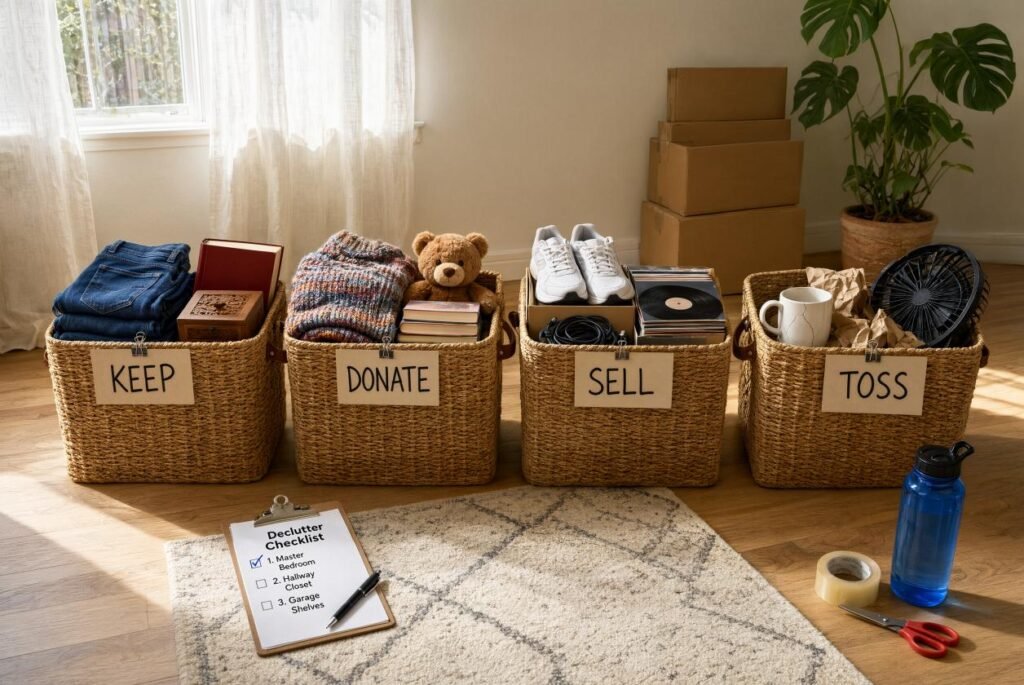
Sorting every item into four distinct categories, keep, donate, sell, and toss, eliminates decision paralysis during the closet cleanout process. This clear system prevents items from ending up in a vague “maybe” pile that ultimately delays genuine progress and prolongs the overall decluttering timeline.
Labeling bins or bags for each category keeps the process organized and efficient throughout the day. This approach works particularly well for those feeling overwhelmed by where to even begin. This method remains a foundational strategy for making real, decisive progress.
3. Apply the One-Year Rule

The one-year rule states that if you haven’t worn an item in the past twelve months, accounting for all four seasons, it’s likely time to let it go. This simple guideline removes emotional attachment from the equation, replacing it with an objective, evidence-based decision-making framework.
This rule works particularly well for those who struggle with sentimental attachment to clothing they no longer actually wear. Exceptions can be made for genuinely seasonal or special-occasion pieces. This tip remains one of the most frequently recommended decluttering strategies among professional organizers.
4. Try the Hanger Trick for Passive Tracking

Turning all hangers backward at the start of the year, then flipping them forward only after wearing an item, creates a genuinely passive tracking system without requiring active journaling or apps. After several months, backward hangers clearly reveal which pieces have gone unworn and untouched.
This method works particularly well for those wanting objective proof before committing to donating sentimental items. It removes guesswork from the one-year rule entirely. This tip remains a popular, low-effort way to gather real data about actual clothing usage patterns.
5. Address Duplicate Items Honestly
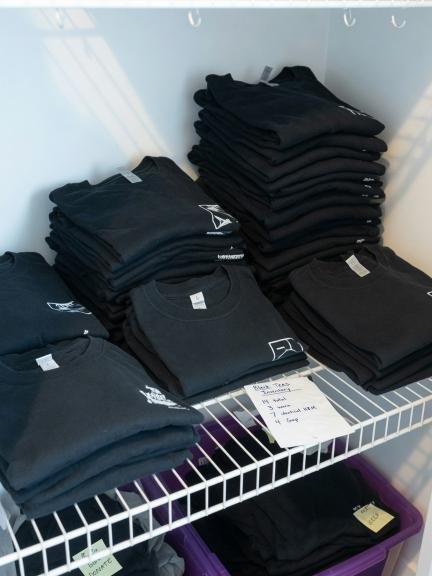
Identifying duplicate or near-duplicate items, like five nearly identical black t-shirts, allows you to keep only the best-fitting, best-condition version while releasing the rest. This honest assessment often reveals significant closet bloat that accumulated gradually without conscious awareness over time.
This approach works particularly well for basics like white tees, jeans, or black leggings that tend to multiply unnoticed. Keeping just two or three quality versions maximizes closet space. This tip remains essential for those wanting genuine, lasting closet organization.
6. Separate Emotional Attachment From Function

Distinguishing between genuine sentimental value and simple habit or guilt helps clarify which items truly deserve closet space. Asking whether an item holds real meaning, versus simply feeling difficult to release out of obligation, creates more honest, sustainable decluttering decisions.
This approach works particularly well for gifted items or pieces tied to specific memories that no longer fit your lifestyle. Photographing sentimental pieces before donating can ease the emotional transition. This tip remains important for those wanting decluttering that actually sticks.
7. Consider Your Current Lifestyle, Not Past or Future Self

Evaluating clothing based on your actual current lifestyle, rather than a past job, body size, or an imagined future version of yourself, ensures your closet genuinely serves your present daily needs. This mindset shift often reveals significant amounts of clothing that no longer align with reality.
This approach works particularly well for those holding onto “someday” clothes that create closet clutter without genuine purpose. Being honest about lifestyle changes makes releasing these items considerably easier. This tip remains crucial for building a closet that truly works.
8. Tackle One Category at a Time

Breaking the closet cleanout into manageable categories, like shoes one day and tops another, prevents the overwhelming feeling that often causes people to abandon decluttering projects entirely partway through. This systematic approach makes the overall task feel genuinely achievable rather than daunting.
This method works particularly well for those with limited time who need to spread the project across multiple sessions. Completing one category fully before moving on maintains momentum. This tip remains popular for those wanting sustainable, non-overwhelming decluttering progress.
9. Check for Damage Before Keeping Anything

Carefully inspecting each item for stains, holes, pilling, or stretched-out fabric ensures only genuinely wearable pieces remain in your closet. This quality check prevents damaged items from taking up valuable space simply because they were once loved or expensive when purchased.
This approach works particularly well for identifying pieces that seemed fine at a glance but reveal issues under closer inspection. Items beyond repair should move directly to the toss or textile recycling pile. This tip remains essential for maintaining a genuinely functional wardrobe.
10. Use the Cost-Per-Wear Mindset

Calculating cost-per-wear, an item’s original price divided by how many times you’ve actually worn it, offers an objective way to assess whether keeping an expensive but unworn piece still makes financial sense. This mindset shift removes guilt from letting go of costly purchases.
This approach works particularly well for those struggling to release expensive items due to sunk-cost thinking. Recognizing that the money is already spent regardless of future use eases this decision. This tip remains popular for making peace with past purchasing mistakes.
11. Donate or Sell Within 48 Hours

Physically removing donation and sell piles from your home within 48 hours prevents items from migrating back into your closet out of second-guessing or convenience. This quick follow-through ensures your decluttering effort translates into genuine, lasting space rather than temporary reorganization.
This approach works particularly well when donation bags are placed directly in your car trunk immediately after sorting. Scheduling a donation pickup in advance creates helpful accountability. This tip remains crucial for those wanting decluttering progress that actually sticks long-term.
12. Invest in Matching Slim Hangers

Switching to matching, slim hangers throughout your entire closet maximizes hanging space while creating a visually cohesive, calming appearance. This small investment often reveals significantly more room than bulky, mismatched wire or plastic hangers previously allowed for the same number of items.
This approach works particularly well combined with an initial decluttering pass, as slim hangers alone can’t solve genuine overcrowding. Velvet-covered options also prevent delicate items from slipping off. This tip remains a popular finishing touch for professional-looking closet organization.
13. Organize by Category and Color

Arranging remaining clothing by category, then further organizing within each category by color, creates a genuinely functional and visually pleasing closet system. This method makes locating specific items significantly faster while also revealing gaps or excesses within your wardrobe at a glance.
This approach works particularly well after the initial decluttering pass is complete and only intentional pieces remain. Grouping similar items together also prevents future duplicate purchases. This tip remains a favorite for maintaining long-term closet organization and visual calm.
14. Set a Realistic Time Limit

Setting a realistic time limit, whether it’s one focused hour or a full weekend, prevents the decluttering project from dragging on indefinitely or feeling perpetually unfinished. This boundary creates helpful urgency while also acknowledging that perfect organization isn’t required in a single session.
This approach works particularly well for those who tend to overthink each individual decision during the sorting process. Breaking larger closets into multiple timed sessions also remains effective. This tip remains popular for maintaining genuine momentum throughout the entire project.
15. Create a One-In-One-Out System Going Forward

Adopting a one-in-one-out system after your initial cleanout, where one new clothing purchase requires releasing an existing item, prevents future closet overcrowding from gradually creeping back in. This ongoing habit maintains your hard-earned progress well beyond the initial decluttering day itself.
This approach works particularly well for those who tend to shop frequently without a clear purging habit already in place. It encourages more intentional, thoughtful purchasing decisions going forward. This tip remains essential for making decluttering results genuinely last long-term.
16. Reassess Your Closet Seasonally

Reassessing your closet at the start of each new season, rather than only once a year, keeps clutter from accumulating unnoticed between major cleanout efforts. This regular check-in also allows you to rotate out-of-season items into storage, freeing up daily-use closet space.
This approach works particularly well for those in climates with distinct seasonal wardrobe needs throughout the year. Quick fifteen-minute seasonal check-ins prevent the need for another overwhelming full cleanout. This tip remains popular for maintaining consistent, lasting closet organization.